Furnace Turns On Then Shuts Off? What Short Cycling Means
When your furnace turns on, runs for a few minutes, and shuts off before your home feels warm, something may be interrupting its normal heating cycle. You might hear the system start again shortly afterward, only for the same problem to happen repeatedly. Besides making your home uncomfortable, this pattern can increase energy use and put unnecessary strain on your heating equipment.
At D.T.M. Heating And Air Conditioning, we help homeowners in Fort Worth, TX, identify heating problems and determine the right solutions. One issue worth investigating is furnace short cycling, which occurs when a furnace repeatedly starts and stops without completing a normal heating cycle.
Understanding why your furnace keeps shutting off can help you recognize when a simple maintenance issue may be responsible and when professional furnace repair is necessary.
What Does Furnace Short Cycling Mean?
Furnace short cycling happens when your heating system shuts down prematurely and starts again before adequately heating your home. Unlike normal operation, where the furnace runs until the thermostat’s heating demand is satisfied, short cycling creates frequent interruptions.
For example, your furnace might ignite, produce warm air for two or three minutes, shut down, and restart a short time later while your thermostat still indicates that your home is too cold.
The exact cycle length varies depending on the equipment, outdoor temperature, and heating demand. However, repeatedly stopping after only a brief run deserves attention, especially when indoor temperatures remain uncomfortable.
Short cycling can result from restricted airflow, ignition problems, thermostat issues, or safety controls responding to abnormal operating conditions. Identifying the underlying cause is essential to restoring reliable heating.
free new install estimates
Why Does My Furnace Turn On Then Shut Off?
Several problems can cause a furnace to start normally but stop before completing its heating cycle. We recommend considering the following possibilities when investigating furnace short cycling in Fort Worth, TX.
1. A Dirty or Clogged Furnace Air Filter
A dirty air filter is one of the first things to check when your furnace repeatedly shuts off. As dust and debris accumulate, the filter can restrict airflow through the heating system.
When insufficient air moves across the heat exchanger, temperatures can rise beyond the furnace’s operating limits. The high-limit safety switch may then shut off the burners to prevent overheating.
After the furnace cools, the system may attempt to heat your home again, creating a repeating pattern.
2. A Dirty or Malfunctioning Flame Sensor
A flame sensor helps confirm that the furnace’s gas burners have ignited successfully. If the sensor becomes dirty or fails, it may not detect the flame correctly.
For safety, the furnace control system can shut off the gas supply when it cannot confirm that combustion is occurring as expected.
This issue often produces a different pattern from overheating. The burners may ignite briefly before shutting down within seconds, even though the furnace initially appears to start normally.
At D.T.M. Heating And Air Conditioning, we can inspect the ignition system, test the flame-sensing components, and determine whether cleaning, repair, or replacement is appropriate.
3. Restricted Airflow Through Vents or Ductwork
Your furnace needs adequate airflow to distribute heat throughout your home. A clogged filter is one possible restriction, but blocked return grilles, closed supply registers, damaged ductwork, or blower problems can also interfere with circulation.
When heated air cannot move efficiently, the furnace may overheat and activate its safety controls.
You might also notice uneven temperatures, weak airflow from vents, or rooms that remain cold even when the furnace is running.
Check that accessible supply registers and return grilles are not blocked by furniture, rugs, or other household items. If airflow remains weak, our team can investigate the ductwork and blower system.
Learn more about our ductwork services to explore related HVAC solutions.
4. Thermostat Problems
Your thermostat tells the furnace when to begin and stop heating. If it reads the room temperature incorrectly, has weak batteries, or is installed in an unsuitable location, it may contribute to irregular heating cycles.
For instance, a thermostat near a supply vent, sunny window, or another heat source may register a warmer temperature than the rest of your home. The furnace could stop heating before other rooms reach a comfortable temperature.
Start by checking the thermostat’s settings and replacing its batteries if needed. Make sure the programmed schedule and temperature setting match your preferences.
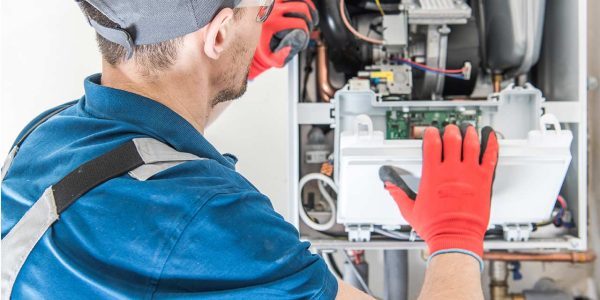
If the furnace continues to turn on and off unexpectedly, we can inspect the thermostat and its communication with the heating system. Visit our thermostat replacement services page for information about related thermostat solutions.
5. A Blocked Vent or Exhaust Problem
Gas furnaces need a properly functioning venting system to remove combustion gases safely. If an intake or exhaust pipe becomes obstructed, the furnace’s safety controls may prevent continued operation.
Depending on the system, the symptoms can include failed ignition, brief operation followed by shutdown, or repeated attempts to start.
If an accessible outdoor vent termination is visibly blocked by leaves or debris, do not dismantle the vent or reach inside the pipe. Arrange a professional inspection if the obstruction cannot be safely addressed from the outside.
Venting and combustion-related problems should be taken seriously because they can affect safe furnace operation.
6. An Oversized Furnace or an Equipment Fault
Not every short-cycling problem comes from dirt or a malfunctioning component. A furnace that is too large for the home’s heating requirements may raise the temperature near the thermostat too quickly, causing the system to stop before heat is distributed evenly.
A failing blower motor, defective safety switch, or control board problem can also interrupt normal operation.
If your furnace has short-cycled since installation, equipment sizing may deserve investigation. If the problem began recently, a developing mechanical or electrical fault may be more likely.
We can evaluate the equipment, operating conditions, and heating requirements to identify the cause rather than recommend an unnecessary replacement.
What Should You Do When Your Furnace Keeps Shutting Off?
Before scheduling service, there are a few basic checks you can perform without opening the furnace cabinet or handling internal components.
- Check the air filter: Replace a visibly dirty filter with the correct type and size.
- Inspect accessible vents: Make sure supply registers and return grilles are not obstructed.
- Review thermostat settings: Confirm the desired temperature, heating mode, schedule, and batteries.
- Observe the symptoms: Note whether the burners shut off after a few seconds or several minutes, whether the blower continues running, and whether any error indicator appears.
- Stop repeated restart attempts: If the furnace continues shutting down, arrange an inspection rather than repeatedly resetting the equipment.
Do not bypass safety switches, disassemble gas components, or attempt electrical repairs yourself. If you smell gas, leave the building without operating electrical switches and contact your gas utility or emergency services from a safe location. If a carbon monoxide alarm sounds, evacuate immediately and call emergency services.
Why You Should Not Ignore Furnace Short Cycling
A furnace that repeatedly starts and stops may still produce some heat, making it tempting to postpone repairs. However, continued short cycling can create several problems.
Higher Energy Consumption
Repeated startup cycles can consume energy without delivering enough sustained heat to maintain comfortable indoor temperatures. If the system runs frequently but your home stays cold, it may be operating inefficiently.
Increased Wear on Furnace Components
Frequent starts and stops put additional demands on ignition components, electrical controls, and other moving parts. If the underlying issue remains unresolved, the repeated cycling can contribute to premature component wear.
Reduced Comfort and Reliability
Short cycling can leave some rooms colder than others and make it difficult to maintain a consistent thermostat setting. A minor airflow issue can also develop into a more disruptive heating problem if left unaddressed.
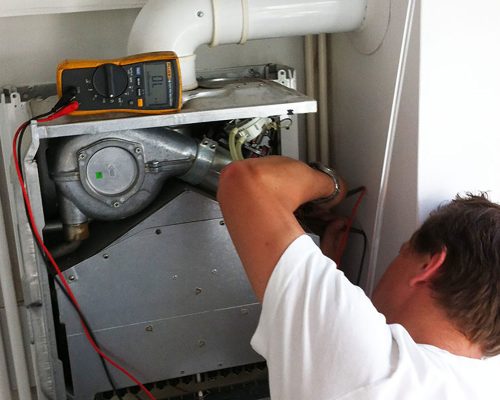
Prompt diagnosis helps us identify the actual cause, protect system reliability, and determine the appropriate repair.
When Should You Schedule Professional Furnace Repair?
You should arrange professional furnace repair if your heating system continues short cycling after you have checked the filter, thermostat settings, and accessible vents.
Professional service is particularly important when you notice:
- The burners ignite and shut off repeatedly within seconds.
- The furnace stops heating even though the thermostat still calls for heat.
- Airflow is unusually weak or the system repeatedly overheats.
- The furnace displays a fault indicator or fails to restart normally.
- Your home remains cold despite frequent furnace operation.
At D.T.M. Heating And Air Conditioning, we can inspect the furnace, evaluate its safety controls, check airflow and ignition operation, and explain our findings before recommending a solution.
Our furnace repair service in Fort Worth, TX is the next step when your heating system needs professional diagnosis and repair.
Get Reliable Furnace Repair in Fort Worth, TX
When your furnace turns on then shuts off repeatedly, the problem may be a clogged filter, a faulty flame sensor, restricted airflow, a thermostat issue, or another equipment fault. Identifying the underlying cause is the best way to restore dependable heating and avoid unnecessary strain on your system.
At D.T.M. Heating And Air Conditioning, we help homeowners in Fort Worth, TX, troubleshoot furnace problems and find practical repair solutions. We take the time to investigate the issue and explain our recommendations so you can make an informed decision about your home’s heating system.
If your furnace keeps short cycling, contact D.T.M. Heating And Air Conditioning today at (817) 386-5471 or visit our contact page to schedule professional furnace service in Fort Worth, TX.

Testimonials




Frequently Asked Questions About Furnace Short Cycling
Yes. A furnace can produce warm air during brief operating periods but still fail to heat the home adequately. The important distinction is whether the system completes its heating cycle and maintains the requested indoor temperature.
No. Replacing a clogged filter may resolve short cycling caused by restricted airflow, but it will not correct ignition faults, thermostat problems, blocked venting, equipment sizing issues, or defective components. Persistent symptoms warrant professional diagnosis.
If the furnace continues short cycling, avoid repeatedly resetting it or forcing it to operate. Arrange an inspection, particularly if you suspect overheating or a venting problem. If you smell gas or your carbon monoxide alarm sounds, leave the building and seek emergency assistance.