What's That Noise? Common Furnace Sounds and What They Mean
A furnace should keep your home warm without making you wonder whether something is about to break. If you hear banging when the heat turns on, rattling from the vents, or a high-pitched squeal that wasn’t there before, your heating system may be telling you something needs attention. While some sounds are part of normal operation, others can indicate airflow restrictions, loose components, ignition problems, or mechanical wear.
At D.T.M. Heating And Air Conditioning, we help homeowners understand furnace problems and determine when professional service is necessary. If you’re noticing unusual furnace noises in Fort Worth, TX, knowing what those sounds may mean can help you recognize potential problems before they lead to a loss of heat or a more expensive repair.
What Furnace Sounds Are Normal?
Before assuming something is wrong, it’s helpful to understand the sounds a furnace typically makes during a heating cycle. Most systems produce some noise as they start, circulate warm air, and shut down.
Normal furnace sounds may include:
- A soft hum: The blower motor and other electrical components produce a steady operating sound.
- A brief click: The thermostat, control board, or ignition system may click during startup or shutdown.
- A gentle whoosh: Air moving through the ductwork and registers creates a familiar airflow sound.
- A mild expansion noise: Metal ductwork may occasionally pop as it heats up or cools down.
The key is to recognize changes. If your furnace suddenly becomes louder, develops a repeated banging sound, or starts making a noise that continues throughout the heating cycle, it deserves closer attention.
free new install estimates
Common Furnace Noises and What They Mean
Different furnace sounds can point to different issues. Although a noise alone cannot confirm a diagnosis, it can help us narrow down what needs inspection.
1. Banging or Popping When the Furnace Starts
A loud bang or pop when your furnace starts can be alarming, especially when it happens repeatedly.
One possible cause is expanding or contracting sheet metal in the ductwork. When warm air moves through cooler metal ducts, the metal can flex and produce popping sounds. However, repeated loud bangs near the furnace itself may indicate a more serious problem.
Potential causes include:
- Ductwork expanding or contracting as temperatures change.
- Delayed ignition in a gas furnace, which can allow gas to accumulate before igniting.
- Loose internal components that shift when the system starts.
If you hear a loud bang from a gas furnace during ignition, turn the system off if you can do so safely and arrange professional service. Do not repeatedly restart it to see whether the sound disappears. A technician can inspect the ignition system and determine the cause.
2. Rattling or Vibrating During Operation
A rattling furnace may sound like a loose panel, a small object shaking, or a vibration traveling through the walls.
Common explanations include loose access panels, unsecured ductwork, or components that have become worn or unbalanced. Debris around the equipment can also create vibration, although the source should be confirmed before anything is removed.
You can safely check whether an exterior access panel appears loose, provided you do not remove covers or reach inside the equipment. If the rattling continues, becomes louder, or comes from inside the furnace cabinet, professional inspection is the better option.
Ignoring persistent rattling can allow a minor mechanical issue to worsen, potentially causing additional wear or damage.
3. Squealing, Screeching, or High-Pitched Whining
A high-pitched furnace noise often suggests friction, airflow problems, or a component operating under strain.
Possible causes include:
- Worn blower motor bearings.
- A damaged or slipping blower belt on systems that use one.
- Restricted airflow caused by a dirty air filter or blocked return vent.
- A blower assembly that needs inspection or adjustment.
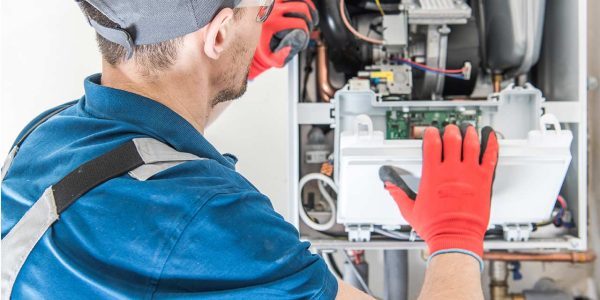
Start with the simplest check: inspect your air filter and replace it if it is dirty, following the manufacturer’s recommendations. Make sure furniture and other objects are not blocking return-air vents.
If the squealing continues after these checks, arrange furnace repair. Repeated high-pitched noises can indicate mechanical wear that will not necessarily resolve with a filter change.
4. Grinding or Scraping Sounds
Grinding, scraping, or metal-on-metal noises should not be ignored. These sounds may indicate that a moving component is rubbing against another part or that a motor or blower assembly has developed a mechanical problem.
For example, a damaged blower wheel or worn motor bearings may create a scraping or grinding sound as the system circulates air. Continuing to operate the furnace could worsen the damage.
If you hear persistent grinding, turn the furnace off if it is safe to do so and contact a qualified HVAC technician. Avoid opening the cabinet or attempting to adjust internal components yourself.
5. Clicking That Happens Repeatedly
A single click during startup or shutdown may be normal. Rapid, repeated clicking is different, particularly when the furnace fails to produce heat.
Repeated clicking can be associated with ignition attempts, control problems, or other electrical or mechanical issues. The exact cause depends on the furnace type and how it behaves during the heating cycle.
Pay attention to whether the clicking happens before the burners ignite, whether warm air eventually comes from the vents, and whether the furnace repeatedly starts and stops. These observations can help a technician troubleshoot the system.
If repeated clicking is accompanied by a gas smell, leave the building and contact the appropriate emergency service from a safe location.
6. Humming or Buzzing Louder Than Usual
A steady, quiet hum can be normal. A new or unusually loud electrical buzz, however, may point to a problem with a motor, transformer, relay, or another electrical component.
A humming furnace that struggles to start or fails to move air may require prompt inspection. Do not attempt to test electrical connections or open electrical compartments yourself.
If the noise is new, persistent, or accompanied by a burning smell, shut the system down if safe and request professional service. A qualified technician can determine whether the issue involves the motor, electrical controls, or another component.
When Should You Call for Furnace Repair?
Not every furnace noise requires an emergency appointment, but certain warning signs call for prompt attention. We recommend contacting an HVAC professional when you notice:
- Loud banging or popping during gas furnace ignition.
- Persistent grinding, scraping, or high-pitched squealing.
- Repeated clicking accompanied by failed ignition or loss of heat.
- New electrical buzzing, especially with a burning smell.
- Unusual noises combined with frequent shutdowns or weak airflow.
- A sudden change in heating performance or indoor comfort.
How to Reduce Unusual Furnace Noises
Although not every mechanical problem can be prevented, routine care can help identify developing issues and support reliable furnace operation.
We recommend a few practical habits:
- Replace air filters regularly. Follow the filter manufacturer’s guidance and check more frequently during periods of heavy use.
- Keep vents clear. Avoid blocking supply registers or return-air grilles with furniture, rugs, or stored items.
- Pay attention to new sounds. Notice when a noise starts, how long it lasts, and whether it occurs during startup, operation, or shutdown.
- Schedule professional maintenance. A qualified technician can inspect accessible components, check system operation, and identify potential concerns before they become more disruptive.
These steps can help, but they are not substitutes for professional diagnosis when a furnace develops persistent or unusual noises.
Get Professional Furnace Repair in Fort Worth, TX
An unfamiliar furnace noise may start as a minor annoyance, but it can also signal a problem that affects heating performance, equipment reliability, or household safety. Recognizing the difference between normal operating sounds and warning signs helps you make informed decisions about your home’s heating system.
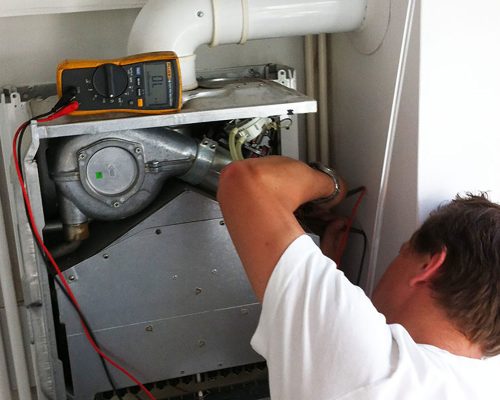
At D.T.M. Heating And Air Conditioning, we provide furnace repair services in Fort Worth, TX, and surrounding communities. Our team can inspect your system, identify the source of unusual sounds, explain our findings, and recommend an appropriate solution. We also offer furnace maintenance to help homeowners keep their heating equipment operating reliably.
If your furnace is banging, rattling, squealing, grinding, or clicking more than usual, don’t wait for the problem to get worse. Contact D.T.M. Heating And Air Conditioning at (817) 386-5471 or visit our contact page to schedule service. We’re ready to help restore dependable heating and comfort to your Fort Worth, TX, home.
Testimonials




Frequently Asked Questions About Noisy Furnaces
Yes. A clogged filter can restrict airflow, sometimes contributing to whistling, increased airflow noise, or overheating-related shutdowns. Replacing a dirty filter with the correct type may help, but persistent noises should be inspected to identify any underlying issue.
Some brief clicking or ticking can occur as components cool and metal ductwork contracts. However, prolonged grinding, repeated banging, or loud buzzing after shutdown is not something to dismiss. A technician can determine whether the sound comes from the furnace, ductwork, or another component.
No. Many unusual furnace sounds result from repairable problems, such as loose panels, restricted airflow, or worn components. The appropriate solution depends on the diagnosis, the system’s condition, and its overall performance. We can help you understand the available repair options before you decide on your next step.