Why Is My Furnace Blowing Cold Air?
Common Causes and Solutions in Fort Worth, TX
When temperatures drop in Fort Worth, TX, the last thing you want is a furnace that runs constantly but blows cold air through your vents. Your home may feel uncomfortable, your heating bills may increase, and you may wonder whether your furnace needs an expensive replacement. Fortunately, a furnace blowing cold air does not always mean the entire system has failed.
At D.T.M. Heating And Air Conditioning, we help homeowners understand common heating problems and determine when professional service is needed. A thermostat setting or dirty air filter may be responsible, while ignition problems, malfunctioning safety controls, or other mechanical issues may require a trained HVAC technician. Understanding the possible causes can help you take the right next step and restore comfortable temperatures throughout your home.
1. Your Thermostat Settings May Be Incorrect
Before assuming your furnace is broken, check your thermostat. Incorrect settings are among the simplest explanations for a furnace blowing cold air.
Check the Heat and Fan Settings
Make sure your thermostat is set to Heat rather than Cool. Next, check whether the fan setting is set to On or Auto.
When the fan is set to On, the blower can continue circulating air even when the furnace is not actively producing heat. This may make the air coming from your vents feel cool between heating cycles.
The Auto setting allows the blower to operate according to the system’s heating cycle. Also, confirm that your desired temperature is higher than the current room temperature.
If correcting these settings does not restore warm airflow, the problem may involve another component that needs inspection.
free new install estimates
2. A Dirty Furnace Filter Is Restricting Airflow
A clogged air filter can affect your furnace’s ability to heat your home properly. Filters collect dust, pet hair, and other airborne particles, but they eventually become clogged if they are not replaced regularly.
When airflow becomes restricted, the furnace may overheat. A safety control called the high-limit switch can shut off the burners to prevent excessive temperatures while the blower continues circulating air.
This can leave you feeling cool air from the vents even though the furnace is running.
What You Can Do About a Clogged Filter
Start by checking the filter according to your furnace manufacturer’s instructions. If it is visibly dirty, replace it with the correct size and type specified for your system.
You should also:
- Check your filter regularly and replace it according to its condition and the manufacturer’s recommendations.
- Keep return-air grilles clear of furniture, curtains, and other obstructions.
- Make sure supply vents are open and unobstructed.
- Monitor the system to see whether normal heating resumes after replacing the filter.
If your furnace continues blowing cold air or repeatedly shuts down, our team can investigate the underlying airflow or overheating problem.
3. The Furnace Ignition System Is Not Working Properly
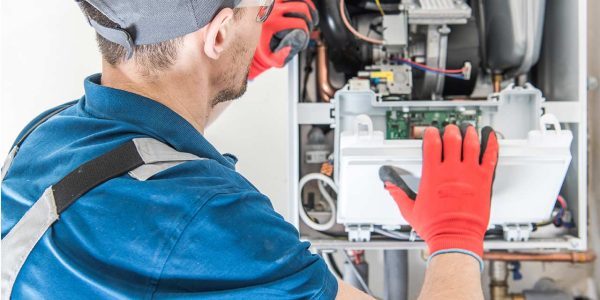
Your furnace needs a reliable ignition process to produce heat. Depending on its design, it may use an electronic igniter or a standing pilot light.
If the ignition system fails, the furnace may run through part of its startup sequence without producing the heat your home needs.
Signs of an Ignition Problem
You might notice that the furnace starts briefly before shutting down, repeatedly attempts to start, or runs its blower without delivering warm air.
Possible causes include:
- A faulty electronic igniter.
- A pilot light that has gone out on an older furnace.
- A malfunctioning flame sensor that cannot confirm the burner flame.
- A problem with another component involved in the ignition sequence.
A flame sensor, for example, helps the furnace verify that combustion is occurring safely. If the system cannot confirm a flame, it may shut off the burners as a safety measure.
Ignition and combustion components should be diagnosed by a qualified HVAC professional. Avoid repeatedly restarting the furnace or attempting repairs involving gas and electrical components.
4. Your Furnace Is Overheating and Shutting Down
Sometimes, a furnace initially produces warm air but begins blowing cool air after running for a short period. This can indicate that a safety control is interrupting the heating cycle.
Restricted airflow is one possible reason. A dirty filter, blocked return grille, or another airflow problem can cause temperatures inside the furnace to rise excessively.
When the high-limit switch detects unsafe temperatures, it shuts off the burners. The blower may continue running to help cool the system.
If this happens repeatedly, simply resetting the thermostat will not solve the underlying issue.
At D.T.M. Heating And Air Conditioning, we can inspect the system to determine why it is overheating and whether a component needs cleaning, repair, or replacement. Prompt attention can help prevent additional strain on your heating equipment.

5. Your Furnace Has a Gas Supply or Electrical Problem
A furnace cannot produce heat if it does not receive the fuel or electrical power required for proper operation.
For gas furnaces, an interruption in the fuel supply or a problem with the gas valve can prevent the burners from operating. Electrical issues can also interfere with ignition, controls, or other essential components.
When to Suspect a Supply or Power Issue
Watch for symptoms such as:
- The furnace fails to start or complete its normal startup sequence.
- The system repeatedly shuts down unexpectedly.
- A breaker trips or the furnace displays a fault indicator.
- The furnace runs, but the burners do not remain lit.
You can check the thermostat settings and observe any displayed error codes without opening the furnace cabinet. If a breaker has tripped, do not repeatedly reset it if it trips again.
If you smell gas, leave the building immediately without operating electrical switches or using an open flame. Contact your gas utility or emergency services from a safe location. Do not attempt to locate or repair the leak yourself.
If there are no immediate safety concerns but the furnace still will not heat, professional diagnosis is the appropriate next step.
6. Leaking or Damaged Ductwork May Be Affecting Comfort
Not every heating problem originates inside the furnace. Your ductwork plays an important role in delivering heated air throughout your home.
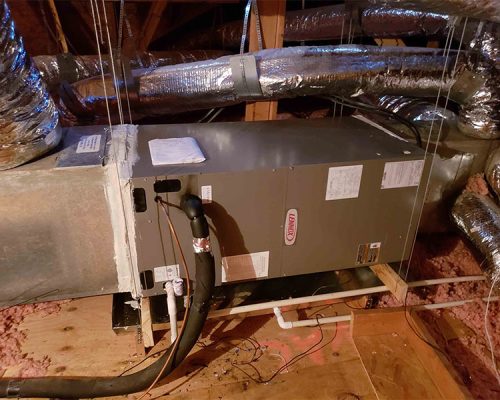
Leaky, disconnected, or poorly insulated ducts can allow warm air to escape before it reaches your living spaces. Depending on where the ducts run, this can contribute to uneven temperatures and reduced heating performance.
For example, your living room may feel comfortable while a bedroom at the end of a duct run remains chilly. You might also notice weak airflow from certain vents.
Although duct leakage does not necessarily mean the furnace itself is producing cold air, it can make your home feel as though the heating system is not working properly.
We can help determine whether the issue involves the furnace, airflow distribution, or ductwork. Our ductwork services provide a relevant starting point for homeowners experiencing persistent airflow concerns.
7. When Should You Call for Furnace Repair in Fort Worth, TX?
Basic troubleshooting can resolve some heating issues, but persistent cold airflow usually deserves professional attention. Continuing to operate a malfunctioning furnace may worsen an existing problem or leave your household without dependable heat when temperatures fall.
Consider scheduling service if:
- The thermostat and filter checks do not resolve the issue.
- Your furnace repeatedly starts and stops.
- The burners will not ignite or remain lit.
- You hear unusual mechanical noises or notice recurring error codes.
- Some rooms remain cold despite normal thermostat settings.
- Your furnace frequently shuts down or struggles to maintain the desired temperature.
Our furnace repair service in Fort Worth, TX is designed to help homeowners address heating problems through professional diagnosis and repair. We can assess the symptoms, identify the likely source of the malfunction, and explain the available solutions.
Routine HVAC maintenance can also help identify developing issues before they lead to unexpected heating interruptions. Regular filter changes, inspections, and appropriate system care support reliable operation throughout the heating season.
Restore Reliable Heating With D.T.M. Heating And Air Conditioning
A furnace blowing cold air can turn a comfortable Fort Worth home into an unpleasant place to spend a winter day. While checking the thermostat and air filter may resolve some problems, ignition failures, overheating, electrical faults, and other mechanical issues require a more thorough diagnosis.
At D.T.M. Heating And Air Conditioning, we provide professional heating services to help homeowners address furnace problems and restore indoor comfort. We focus on identifying the issue and explaining practical solutions so you can make an informed decision about your heating system.
If your furnace is blowing cold air, contact D.T.M. Heating And Air Conditioning at (817) 386-5471 or visit our contact page to schedule service in Fort Worth, TX. Let our team help you get your heating system working properly again.

Testimonials



Frequently Asked Questions About Furnaces Blowing Cold Air
A short delay during startup can be normal while the furnace completes its heating sequence. Allow a few minutes for the system to begin delivering warm air. If the air remains cold or the furnace repeatedly shuts down, arrange a professional inspection.
Yes. On thermostats that use batteries, low power can interfere with operation or communication with the heating system. Replace the batteries according to the thermostat manufacturer’s instructions if a low-battery warning appears. If the furnace still does not respond correctly, the problem may lie elsewhere.
It can. A furnace that runs inefficiently, cycles frequently, or struggles to heat your home may use more energy than necessary. The impact depends on the cause, how long the problem persists, and how your system operates.
Not necessarily. Many cold-air problems can be addressed through repairs, such as correcting airflow restrictions or resolving an ignition issue. The appropriate decision depends on the furnace’s condition, age, repair history, efficiency, and the cost of the required work. A professional assessment can help you compare your options.